



Ambulatory Blood Pressure Monitoring (ABPM)
Ambulatory blood pressure monitoring (ABPM) automatically measures your blood pressure at regular intervals over 24 hours using a portable device worn around your waist. It provides a clear picture of how your blood pressure changes throughout the day. You can continue your normal activities, but the equipment must be kept dry.
Box pharmacy - Helping the local community in Corsham, Box, Neston, Biddestone, Colerne, Lacock and beyond.
Why choose ABPM?
How ABPM Helps with Diagnosis and Treatment
Ambulatory blood pressure monitoring records readings throughout your normal daily activities and while sleeping. It helps identify white coat hypertension, masked hypertension, and assesses whether medication is controlling blood pressure over a full day. The device inflates at set intervals automatically, usually every 15–30 minutes during the day and less frequently at night. Results are reviewed by a clinician to form a diagnosis or adjust treatment. ABPM provides a more accurate reflection of cardiovascular risk than single clinic measurements.
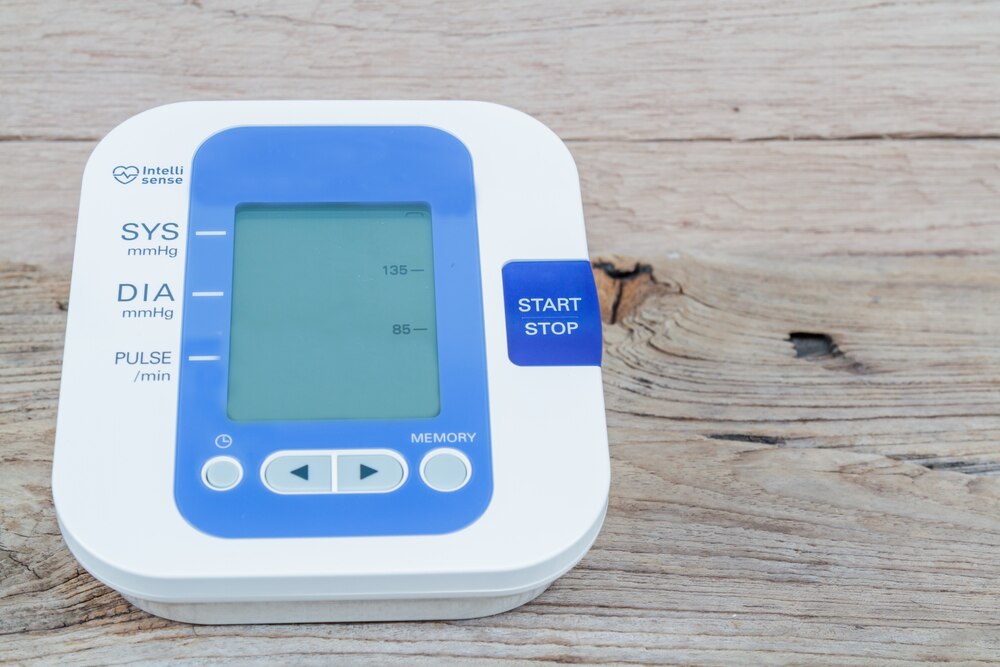
24‑Hour Monitoring
Continuous readings across day and night for reliable averages.
Detects White Coat Effect
Distinguishes clinic‑high readings from normal at home.
Guides Treatment
Shows if current medications control blood pressure properly.
Frequently Asked Questions
Common questions about ABPM, preparation and practicalities.
What is an ABPM test?
ABPM is a portable blood pressure monitor worn for usually 24 hours that takes automatic readings at regular intervals to provide a profile of blood pressure throughout normal activities and sleep.
How should I prepare for the test?
Wear loose clothing, bring a list of medications, avoid heavy exercise and getting the cuff wet, and note your activities and symptoms in a diary provided with the device.
Will it be uncomfortable or painful?
You may feel brief discomfort each time the cuff inflates; some people experience disturbed sleep, but the test is generally safe and well tolerated.
How long do I wear the monitor?
Typically the monitor is worn for 24 hours, though occasionally clinicians request longer monitoring depending on the clinical question.
When will I get the results?
A clinician will review the recorded data and discuss the results at a follow‑up appointment or send a report to your GP, usually within a few days.
Practical tips for a successful ABPM
Preparing and Using the Monitor
To get the best data, follow preparatory instructions: wear a short-sleeved or loose-fitting top, note the times you take medication and any symptoms, and try to keep your arm relaxed when the cuff inflates. Avoid contact with water unless the device is specified as waterproof. After 24 hours return the monitor promptly for download and analysis. Clinicians use patterns across day and night to make accurate treatment recommendations.
Wear loose sleeved clothing
Keep an activity and symptom diary
Avoid bathing or showering with device
Expect possible sleep disturbance
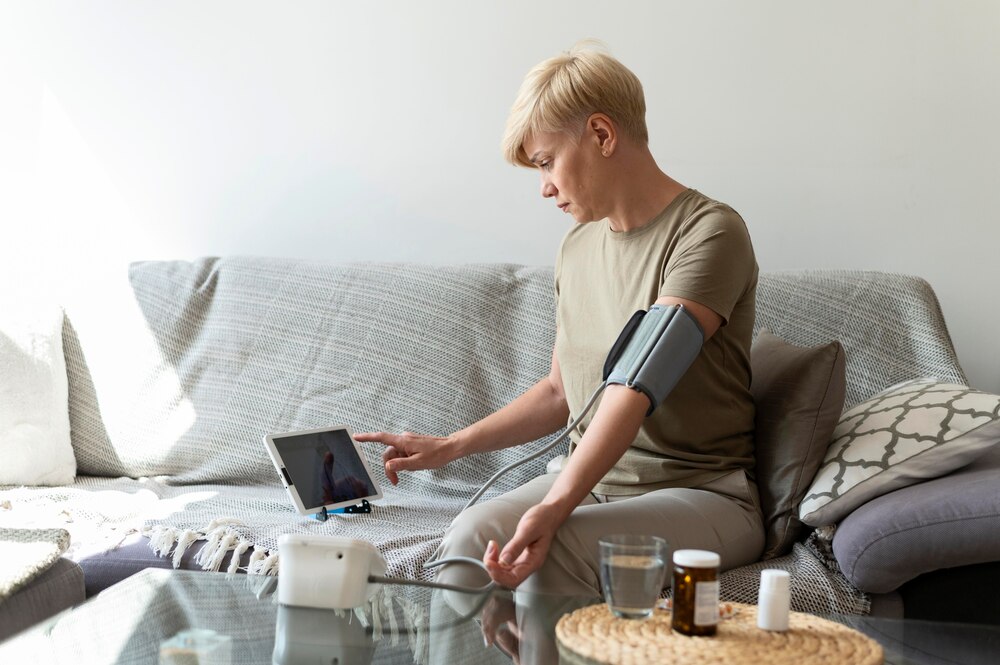
Understanding your ABPM results
Interpreting ABPM Readings
ABPM reports include average daytime, night‑time and 24‑hour blood pressure values and may flag variability or nocturnal hypertension. Healthcare professionals compare these averages against accepted thresholds to confirm a diagnosis or adjust therapy. ABPM is particularly useful when clinic readings and home checks differ. Your clinician will explain what the numbers mean for your cardiovascular risk and any recommended treatment changes or further monitoring.
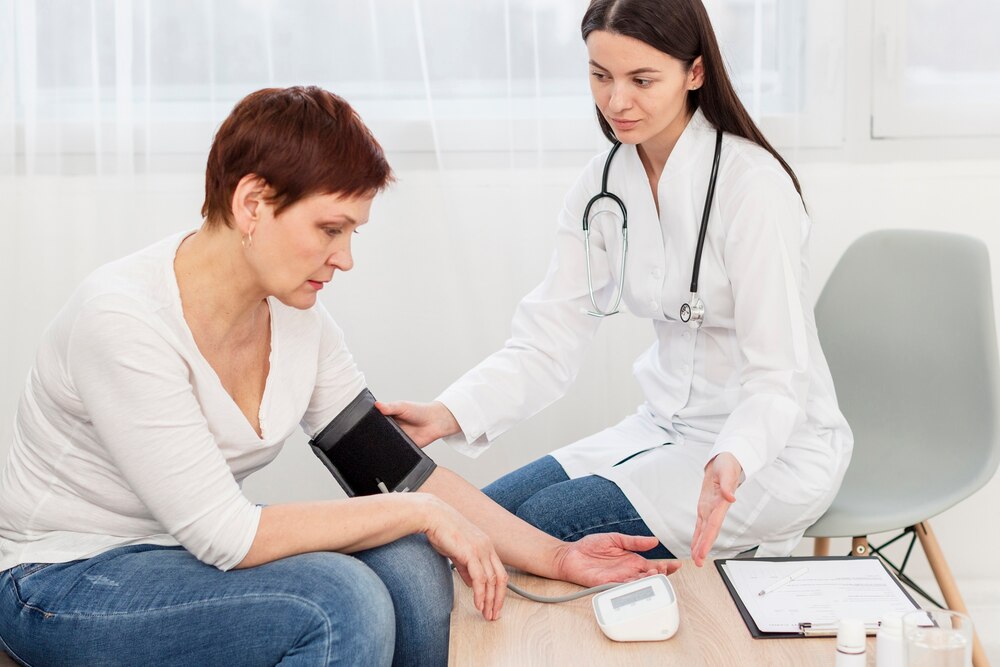
Key Points to Remember
ABPM gives a comprehensive blood pressure profile that can reveal patterns not seen in one‑off clinic measurements. It is quick to arrange, generally well tolerated by most people, and provides valuable information for diagnosis and personalised treatment planning. Follow instructions beforehand and during the monitoring period to ensure accurate data.
Worn for 24 hours
Records day and night readings
Helps detect white coat hypertension
Bring medication list
What Happens After the Test?
Once the device is returned, the data are processed and a report is produced for your healthcare team. Your clinician will use the ABPM report to help confirm or rule out hypertension and adjust treatment where necessary. If further monitoring or specialist review is required, you will be informed and guided through the next steps.