



Backache: Causes, Relief & When to Seek Help
Practical guidance from your local Swansea pharmacy on managing lower back pain, medication options and simple exercises.
Box pharmacy - Helping the local community in Corsham, Box, Neston, Biddestone, Colerne, Lacock and beyond.
About Service
Backache can arise from muscle strain, poor posture, lifting injuries, disc problems or arthritis. Many cases improve within a few weeks with rest, gentle movement and over-the-counter pain relief. Your pharmacist can recommend appropriate analgesics, topical gels and heat therapies, explain safe dosing, and advise when to see a GP or physiotherapist. If symptoms include numbness, weakness, severe unrelenting pain, fever or loss of bladder or bowel control, seek urgent medical attention. Regular gentle exercise, posture awareness and ergonomic adjustments help reduce recurrence.
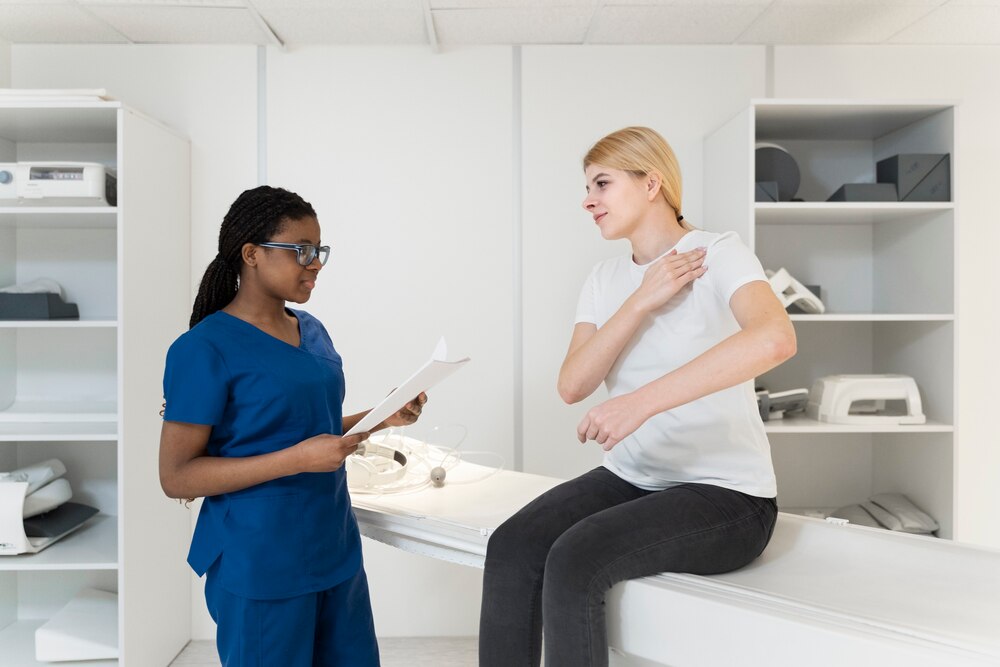
Immediate self-care to ease pain and stiffness.
Immediate Self-Care Options
Start with simple measures: avoid prolonged bed rest, do light walking and gentle stretches, and alternate heat and cold to reduce pain and inflammation. Over-the-counter analgesics such as paracetamol or NSAIDs can help; your pharmacist will advise the right choice and dose given other medicines or conditions. Topical gels or patches can provide targeted relief with fewer systemic effects. If pain persists beyond a few weeks, worsens, or is accompanied by neurological symptoms, get a clinical assessment to rule out serious causes and consider physiotherapy or imaging if indicated.
Use recommended painkillers
Apply heat or cold packs
Gentle mobility exercises
Seek pharmacist guidance
When to See a GP
Severe, worsening or neurological symptoms
Self-Care Timeline
Most improve within two to six weeks
Pharmacy Support
Advice, OTC medicines and topical options
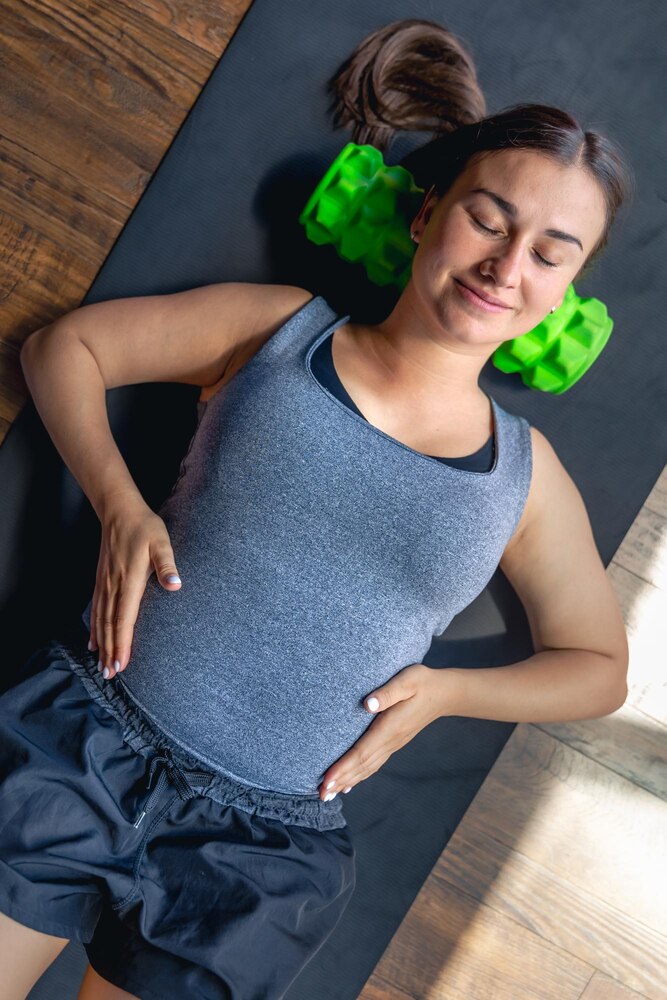
Simple exercises to support recovery.
Advice
Gentle mobility exercises and core-strengthening routines reduce recurrence and support recovery. Start with pelvic tilts, knee-to-chest stretches, and slow hip bridges, doing each movement within a pain-free range. Gradually increase repetitions and add walking or swimming to improve flexibility and endurance. Avoid heavy lifting and sudden twisting until strength improves. If exercise increases sharp pain, numbness, or weakness, stop and seek professional assessment. A physiotherapist can provide a personalised exercise plan and manual therapy if needed.

Frequently Asked Questions
Answers to common questions about backache and when to get help.
When should I worry about back pain?
Seek urgent care for progressive leg weakness, numbness, saddle anaesthesia, loss of bladder or bowel control, fever, or very severe unrelenting pain.
Which painkillers are safe?
Paracetamol and NSAIDs can help; speak to a pharmacist about allergies, stomach issues, blood pressure, or other medicines before using NSAIDs.
Are heat or cold better?
Cold helps in the first 48 hours for new injuries; heat eases muscle tightness and chronic stiffness. Alternate if helpful.
Will I need an X-ray or MRI?
Imaging isn’t usually needed early on unless red flags exist. A clinician will advise based on symptoms and exam.
Can physiotherapy help?
Yes. Physiotherapy offers tailored exercise, manual therapy and education to speed recovery and prevent recurrence.
Small changes make a big difference.
Practical Tips
Improve posture at work and home by using supportive seating, adjusting screen height and taking frequent short breaks to stand and stretch. Lift objects using your legs, not your back, and avoid twisting while carrying loads. Maintain a healthy weight and stay active to reduce strain on the spine. If you have ongoing pain, keep a symptom diary noting activities and triggers to discuss with your pharmacist or clinician.